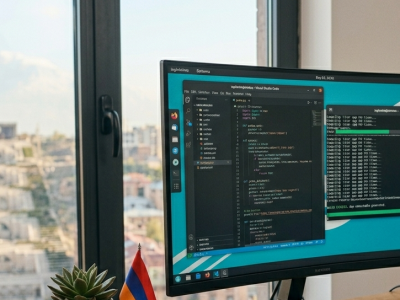
Chromebooks have come a long way from being simple web browsing machines. If you’re a gamer, you’ll be happy to know that it’s entirely possible to install and run Steam on Chrome OS — and one of the most reliable ways to do it is through the built-in Linux environment. This guide walks you through exactly how to install Steam on Chrome OS with Linux, from enabling the Linux container to launching your first game.
What You Need Before You Start
Before jumping into the installation, make sure your Chromebook meets these requirements:
- Linux support (Crostini): Your Chromebook must support Linux app installation. Most Chromebooks released after 2019 support this. You can check under Settings → Developers.
- Storage space: You’ll need at least 10–15 GB of free space — a few GB for the Linux container and more for Steam and your games.
- RAM: 4 GB minimum, but 8 GB is strongly recommended for a smooth gaming experience.
- Processor: Intel Core i3, AMD Ryzen 3, or newer. Older Celeron or MediaTek chips may struggle with most games.
- Chrome OS version: Make sure your system is fully up to date. Go to Settings → About Chrome OS → Check for updates.
Step 1: Enable Linux on Your Chromebook
The Linux environment on Chrome OS is called Crostini. Here’s how to turn it on:
- Click the system tray in the bottom-right corner of your screen.
- Click the gear icon to open Settings.
- In the left sidebar, scroll down and click “Advanced”, then select “Developers.”
- Find the “Linux development environment” section and click “Turn On.”
- Follow the on-screen prompts. You’ll be asked to set a username and choose a disk size for your Linux container — allocate at least 10 GB to leave room for Steam and games.
- Click “Install” and wait. This process typically takes 5–10 minutes depending on your internet speed.
Once done, a Terminal window will open automatically, and you’ll see the Linux app in your app launcher.
Step 2: Update Linux Packages
Before installing Steam, it’s important to update all existing Linux packages to avoid any compatibility issues. In the Terminal, run:
sudo apt update && sudo apt upgrade -yWait for the process to complete. This ensures your Linux environment is running the latest packages before you add Steam on top of it.
Step 3: Download the Steam Installer
There are two ways to install Steam through Linux on Chrome OS:
Option A — Install Steam Directly from the Terminal
In your Terminal, run this command:
sudo apt install steam -yType your password when prompted and press Y to confirm any additional packages. Steam will download and install automatically.
Option B — Download the Steam .deb Installer
- Open Chrome and go to store.steampowered.com/about
- Click the Steam icon (Linux version) below the main download button to download the .deb file.
- Once downloaded, double-click the .deb file in your Files app.
- Click the “Install” button in the dialog that appears.
- Wait for the installation to complete.
Both methods result in the same Steam installation. Option A via the terminal is generally faster and more reliable.
Step 4: Launch Steam and Sign In
- Open your Chrome OS app launcher and look for Steam in the Linux apps folder.
- Click Steam to launch it. The first launch will download additional files — this may take several minutes.
- Once Steam opens, sign in with your existing Steam account or create a new one.
- Your full Steam library will now be available. Browse and install games that are compatible with Linux.
Which Games Work on Chrome OS with Steam?
Not every Steam game will run on your Chromebook, but many popular titles work well through the Linux environment and Proton compatibility layer. Games that tend to run fine include:
- Stardew Valley
- Celeste
- Portal 2
- Half-Life 2
- Among Us
- Terraria
Before installing a game, check its compatibility at protondb.com — a community database that tells you how well any Steam game runs on Linux-based systems including Chrome OS.
Tips to Improve Steam Performance on Chrome OS
- Lower in-game resolution — Running at 1080p or below reduces the load on your Chromebook’s GPU significantly.
- Close background apps and Chrome tabs — Free up RAM before launching a game for better frame rates.
- Use a wired Ethernet connection when possible to reduce latency and improve download speeds.
- Enable Vulkan shaders in Steam settings — Go to Steam → Settings → Shader Pre-Caching and enable background processing.
- Keep Chrome OS and Linux updated — Regular updates often include driver and performance improvements.
Frequently Asked Questions
Can I install Steam on Chrome OS without Linux?
Yes, on supported Chromebooks you can install the native Steam for Chromebook (Beta) directly from the Chrome OS launcher without enabling Linux. However, the Linux method works on a broader range of Chromebooks and gives you access to more games. If your device doesn’t appear in the official supported list, the Linux (Crostini) method covered in this guide is your best option.
How much storage do I need to install Steam on Chrome OS?
You should allocate at least 10–15 GB for the Linux container itself and Steam installation. Individual games can take anywhere from a few hundred MB to over 50 GB, so a Chromebook with 128 GB of storage or more is strongly recommended for a comfortable gaming setup.
Will all my Steam games work on Chrome OS with Linux?
Not all games are compatible. Games with native Linux support will work best. Windows-only titles may run through the Proton compatibility layer, but results vary by game. Use ProtonDB (protondb.com) to check how well any specific game performs before downloading it.
Why is Steam running slowly on my Chromebook?
Steam performance on Chrome OS depends heavily on your hardware. Low RAM (under 8 GB), an older CPU, or insufficient disk space can all cause slowdowns. Try lowering your in-game graphics settings, closing background apps, and making sure your Linux environment and Chrome OS are fully up to date.
Does enabling Linux on a Chromebook delete my data?
No. Enabling the Linux development environment (Crostini) does not delete your Chrome OS data or files. It simply creates a separate Linux container alongside Chrome OS. Your existing files, apps, and settings remain completely untouched.